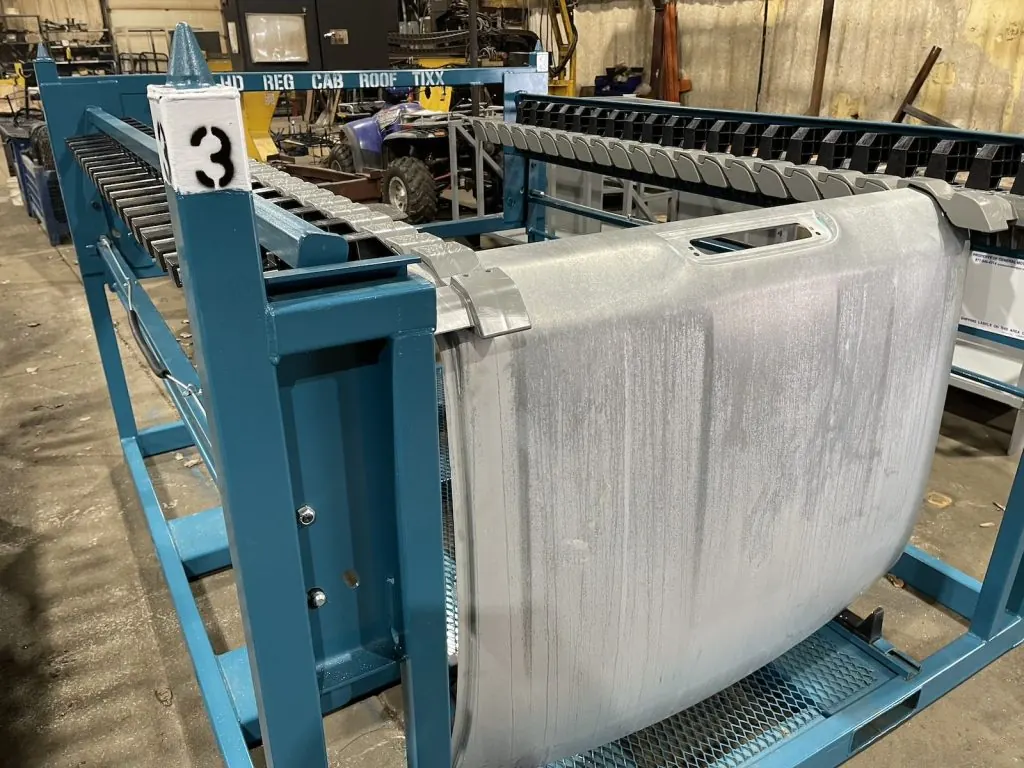
Designed around the part, not a catalog.

Material Handling Rack Engineering & Design

The cheapest rack to build is rarely the cheapest rack to own. Design decisions made up front decide how well parts are protected and how long the rack stays in service.

Engineering That Starts With Your Part

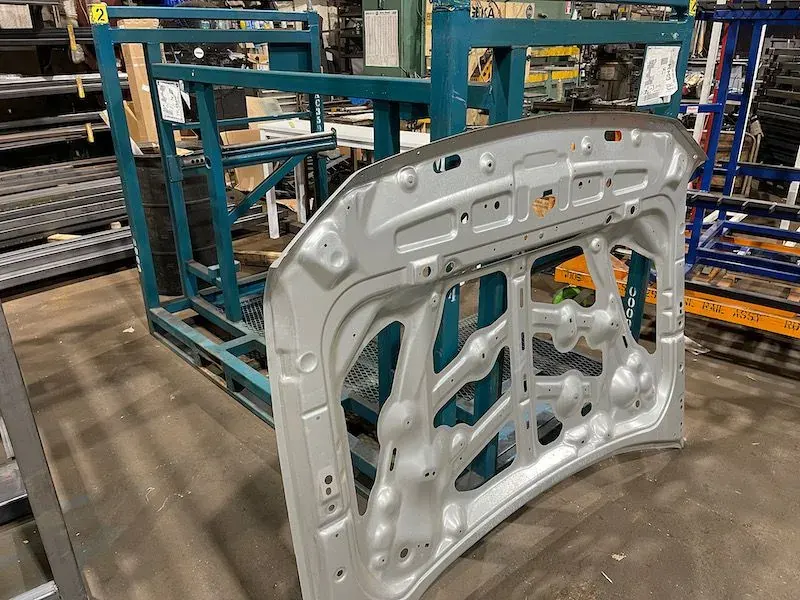
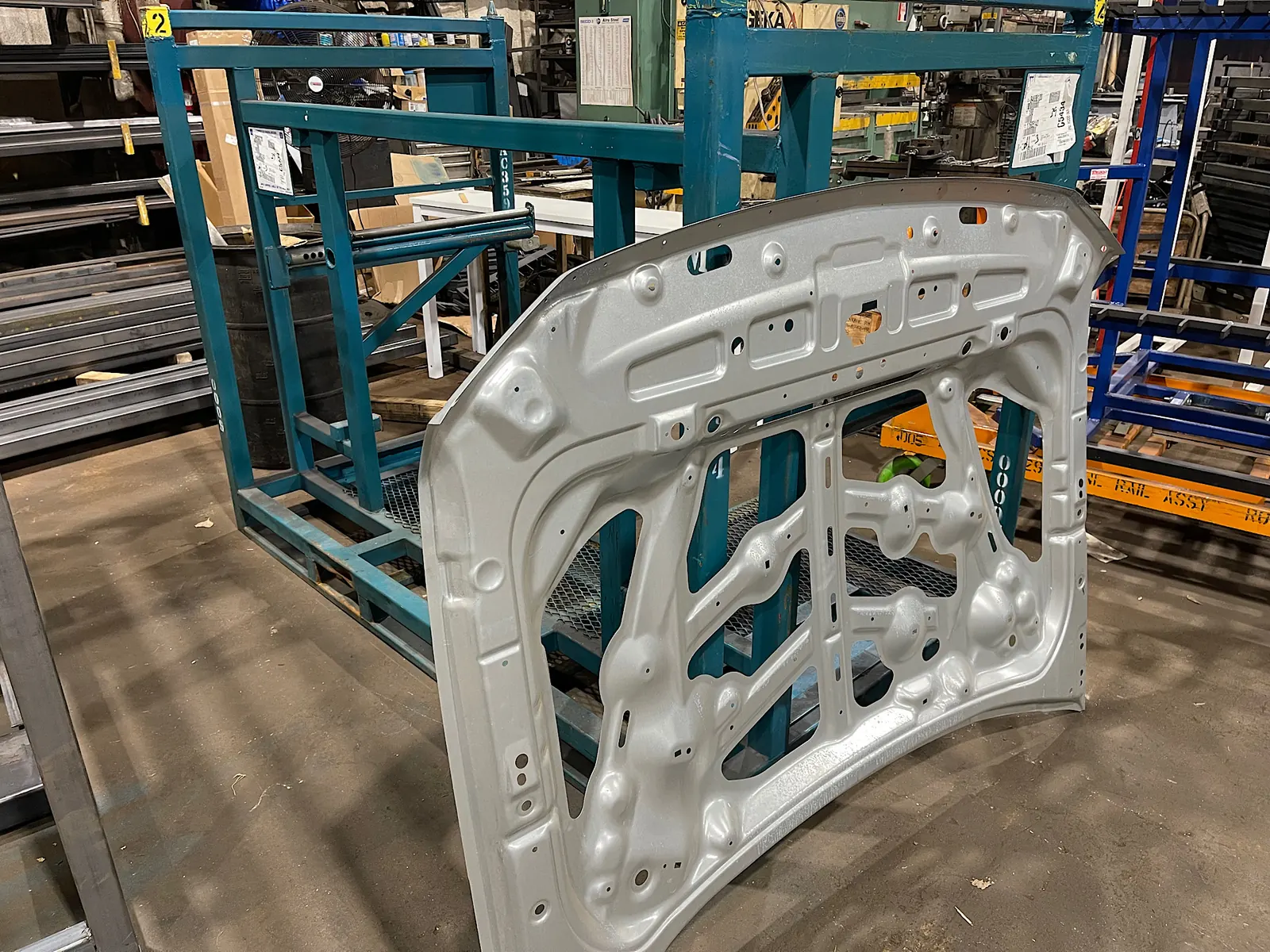
Every custom rack begins with questions about the part: where it can be touched, where it can’t, how it is loaded and unloaded, and what happens to it between your dock and your customer’s line. We use your drawings, models, samples, or photos to plan how the part will be located, supported, and protected.

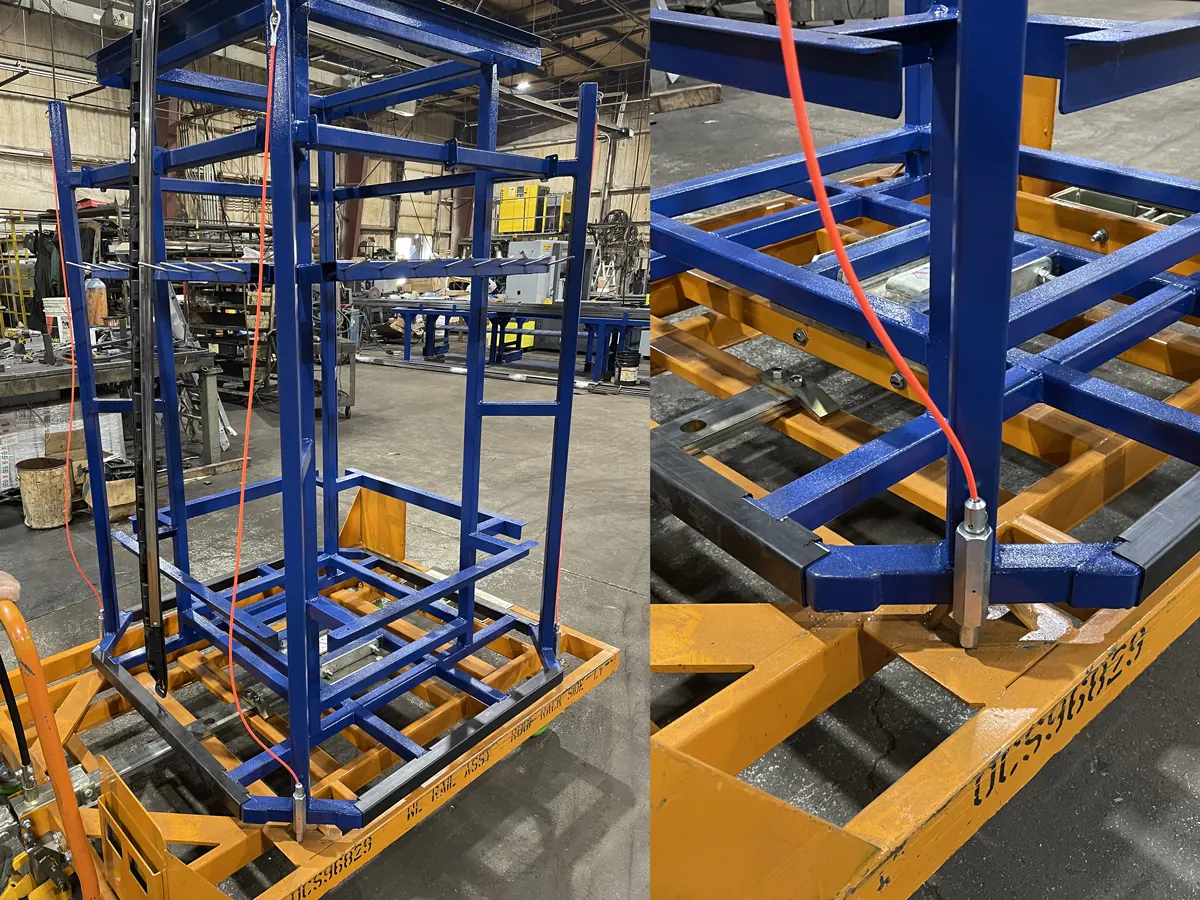
From there we design the structure around the way the rack will be handled: forklift entry, tugger or cart compatibility, stacking, line-side presentation, and the number of parts each rack needs to carry. The goal is equipment your operators can load quickly and your parts can survive.
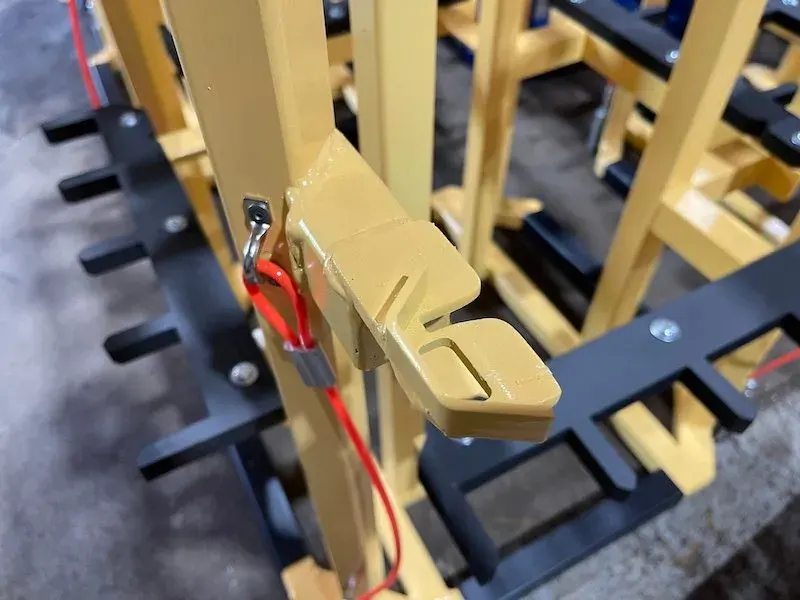
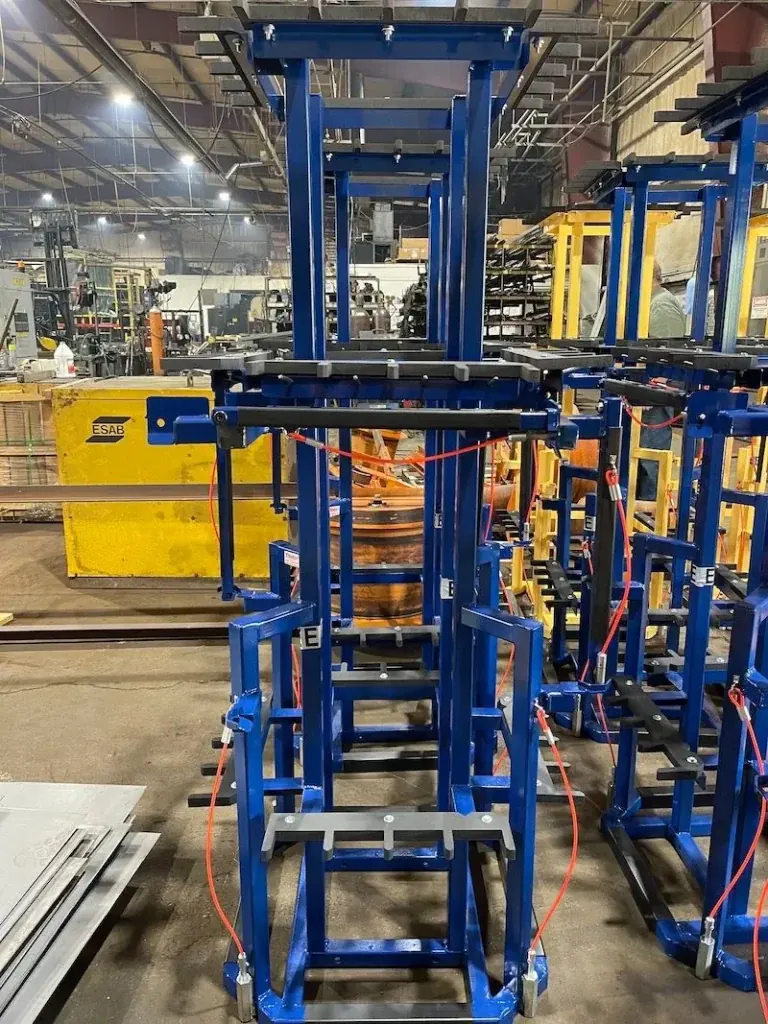
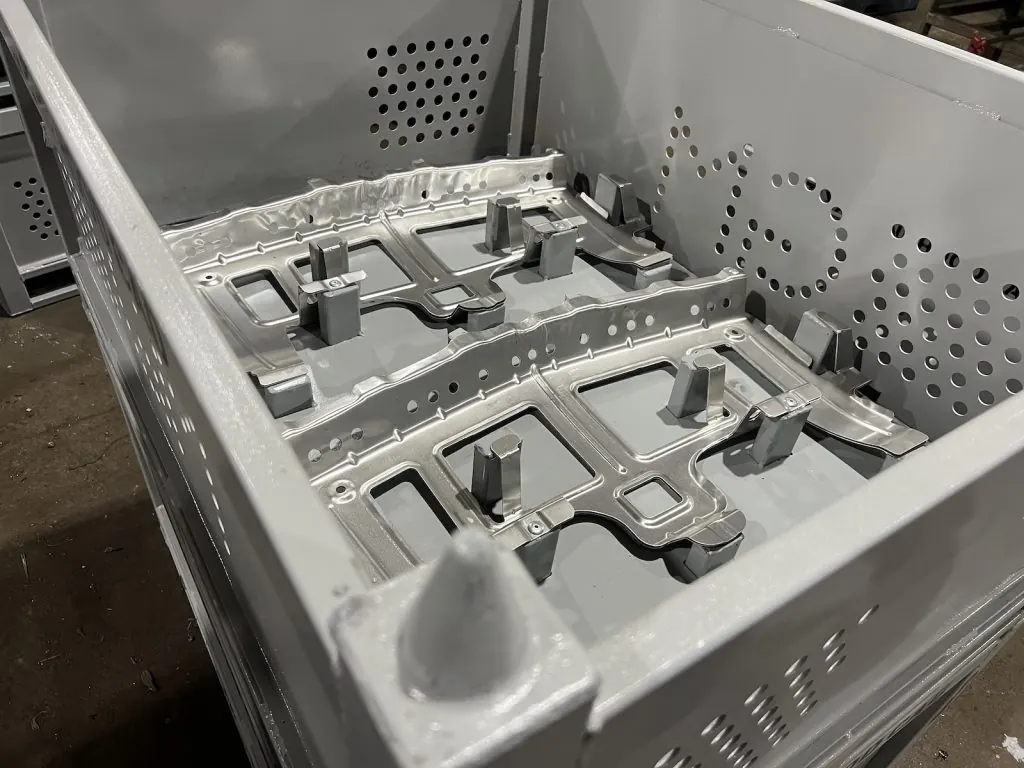
Part locator detail designed into a custom cart

Where Design Makes the Biggest Difference

New program launches

Racks for a new part need to be ready before production ramps up. Early design work lets packaging, line-side presentation, and shipping requirements be settled together.

Returnable shipping fleets

Racks that travel between plants must protect parts, stack safely, and survive repeated handling. Design choices here drive damage rates and fleet life.

Line-side and automation presentation

When an operator or robot picks directly from the rack, part orientation and repeatable location matter as much as strength.

Common Design Problems We Solve

Parts damaged in transit

The challenge

Class A surfaces get scuffed or dented because contact points and dunnage were an afterthought.

How we solve it

We plan contact surfaces and dunnage into the design so parts are held at approved locations.

Racks that are hard to load

The challenge

Operators fight awkward reach, tight clearances, or unclear part positions, slowing the line.

How we solve it

We design loading direction, spacing, and visual cues around how the part is actually handled.

Racks that fail early

The challenge

Cracks show up at the same welds or joints across a whole fleet.

How we solve it

We look at load paths, reinforcement, and wear points, and design replaceable parts where wear is expected.

A new part that doesn’t fit old racks

The challenge

A design change makes an existing fleet obsolete.

How we solve it

We evaluate whether a changeover or rework can reuse the existing structure before designing new.

Key Features

  • Part-specific support and locator layout
  • Planned contact points and dunnage
  • Forklift, tugger, and cart interfaces
  • Stacking and nesting considerations
  • Replaceable wear components
  • Designs suited to future rework

Customization Options

  • Single prototype before production
  • Returnable or one-way designs
  • Manual, tugger, or automation loading
  • Labeling, ID plates, and color coding
  • Ergonomic load heights and reach
  • Modular designs for part families

Who We Design For

Engineering and packaging teams at OEMs, tier suppliers, and manufacturers use our design work to turn part requirements into equipment that works on the floor.

  • Automotive part racks
  • Assembly line carts
  • Returnable packaging
  • Robotic pick racks
  • Shipping frames

Request a Quote

Send drawings, photos, or part details and we’ll review your application and recommend the right approach.

“Business used to be built on a handshake, a man’s word, and the quality of his work. We still think it should be.”

Call Now