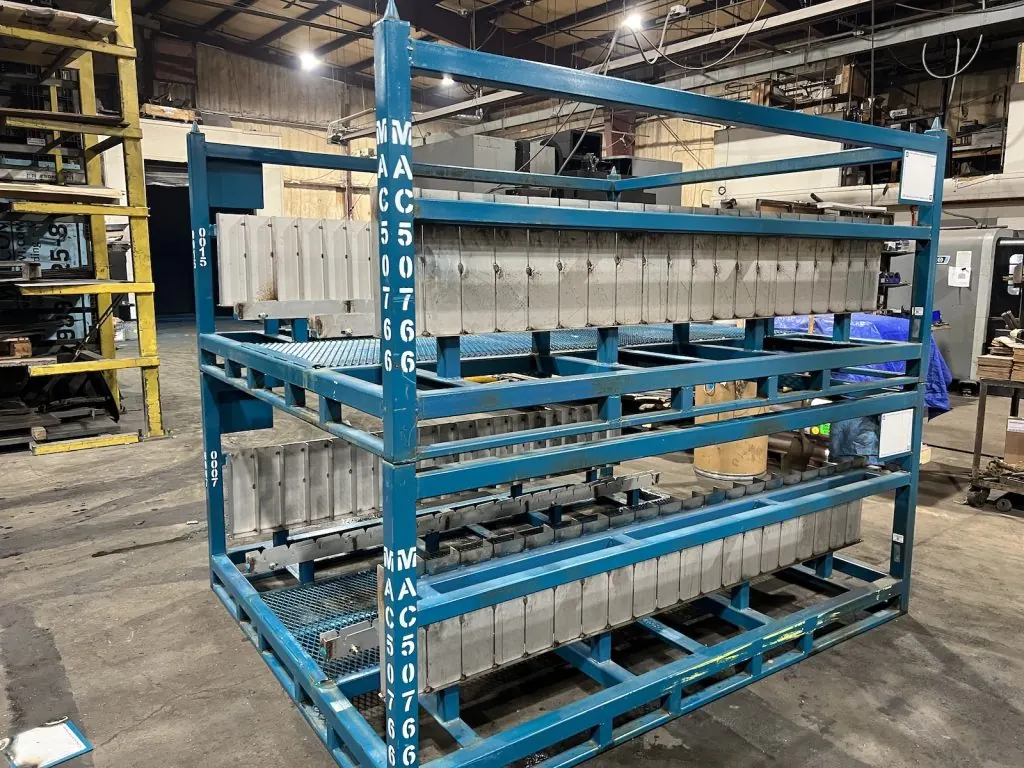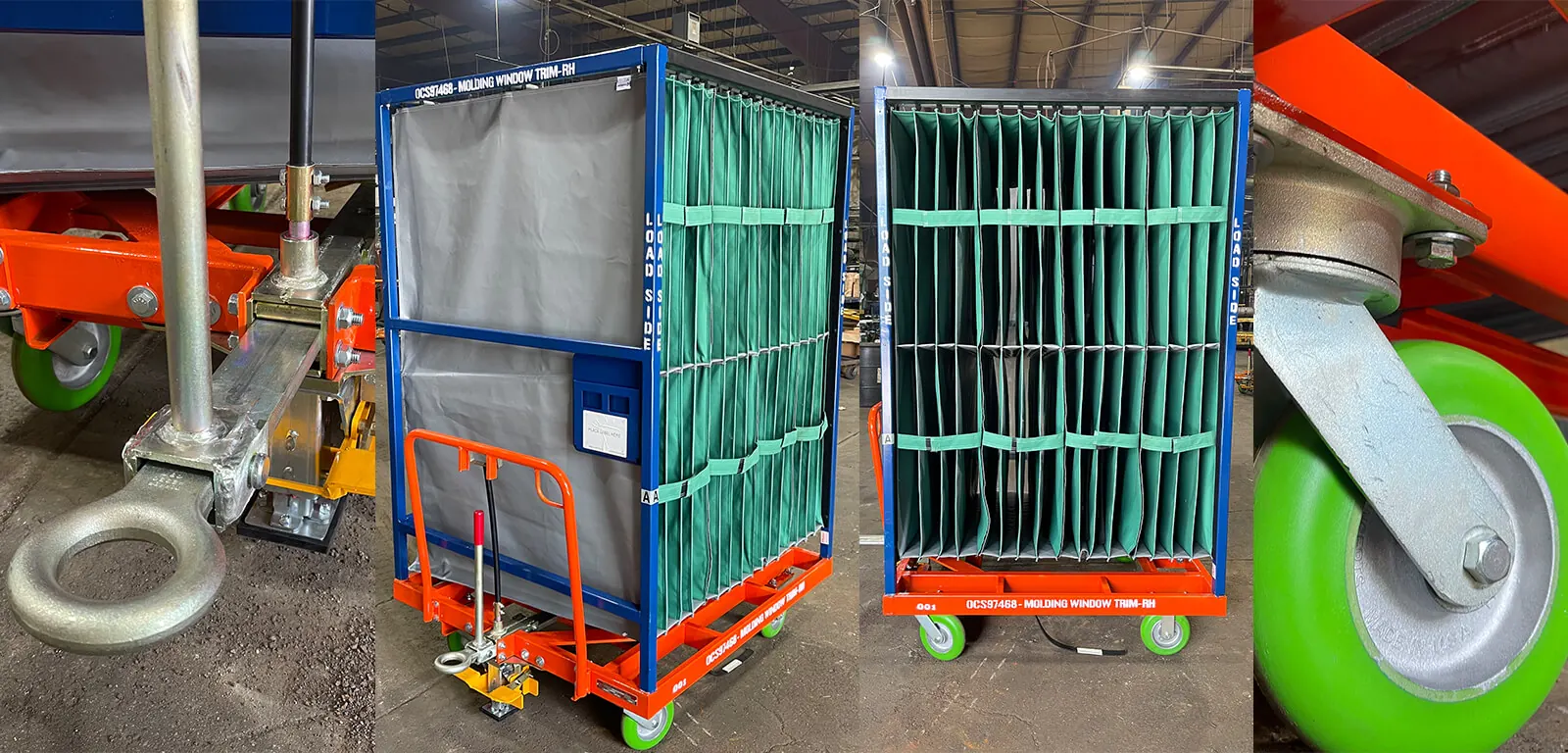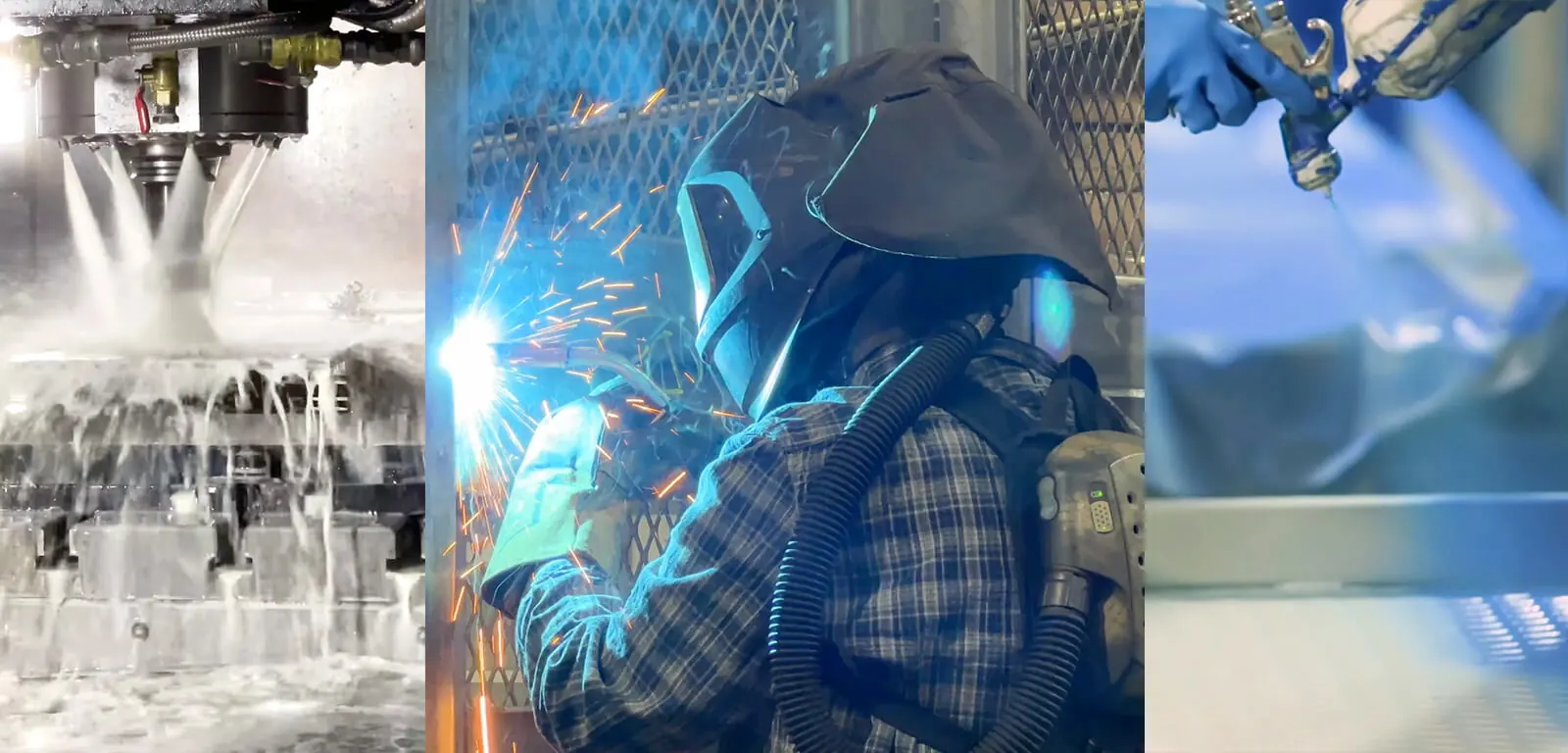
From the first sketch to the finished rack.

Engineering & Manufacturing Capabilities

Every rack, cart, and repair we deliver moves through the same disciplined path: understand the part, design the support, build it right, and check it before it ships.

How Custom Material Handling Equipment Gets Built

A material handling rack looks simple until a part gets scratched in transit, a locator wears out after a few hundred cycles, or a forklift operator can’t get the forks in cleanly. Good racks and carts come from paying attention to those details at every step of the build.

The capabilities below describe each stage of that work, from engineering and prototyping through cutting, welding, finishing, dunnage, assembly, and inspection. Most projects use several of them together, and the same steps apply whether we are building new equipment or repairing and modifying racks already in your fleet.
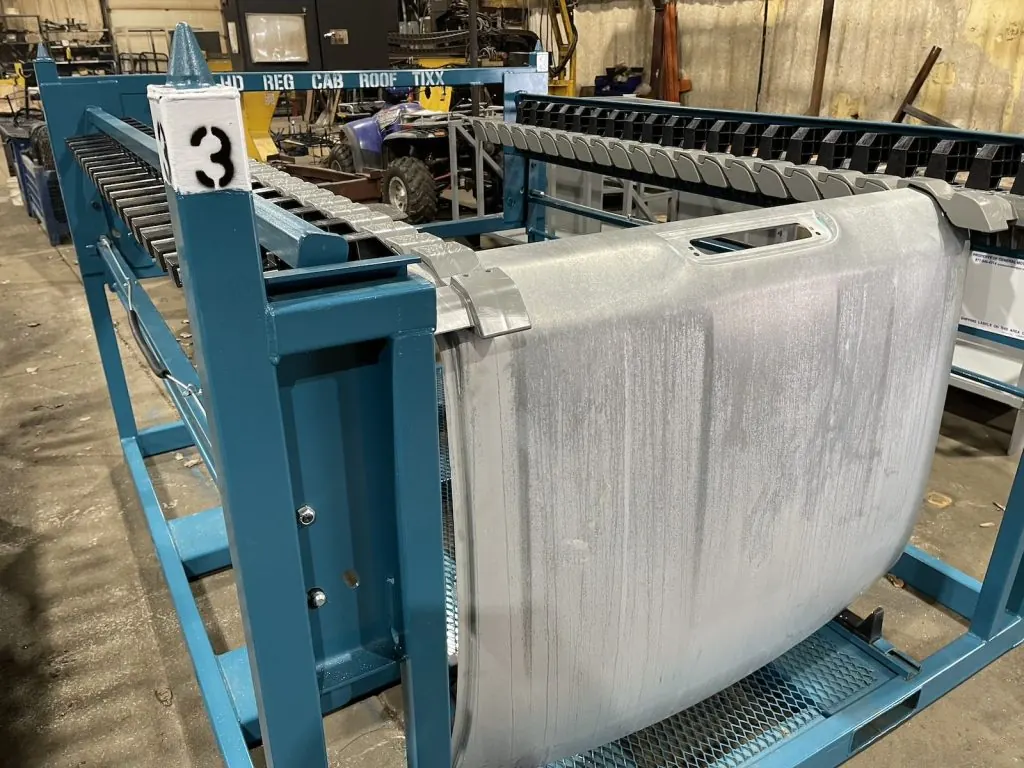
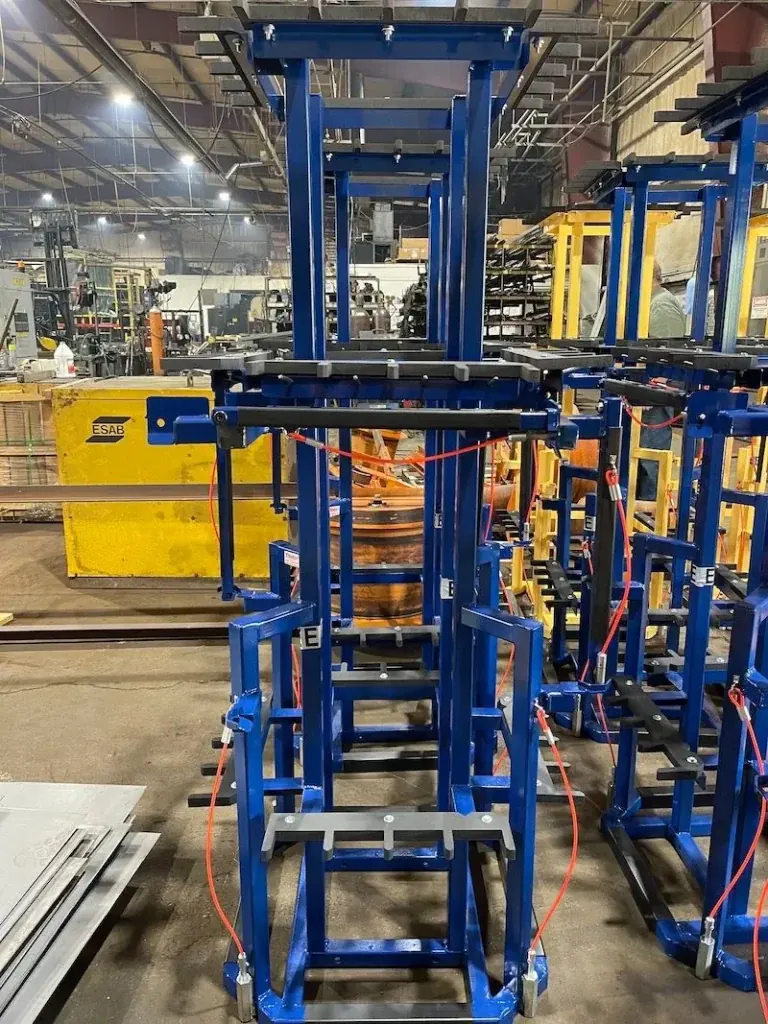
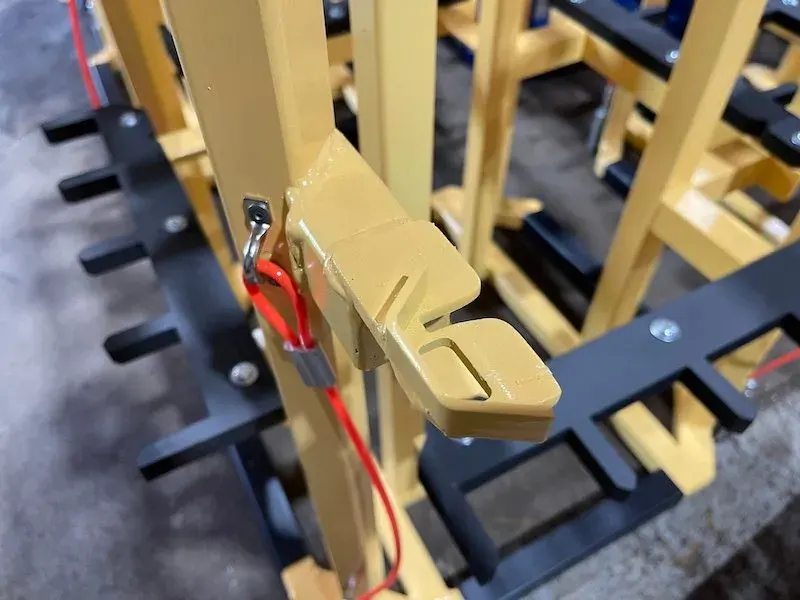
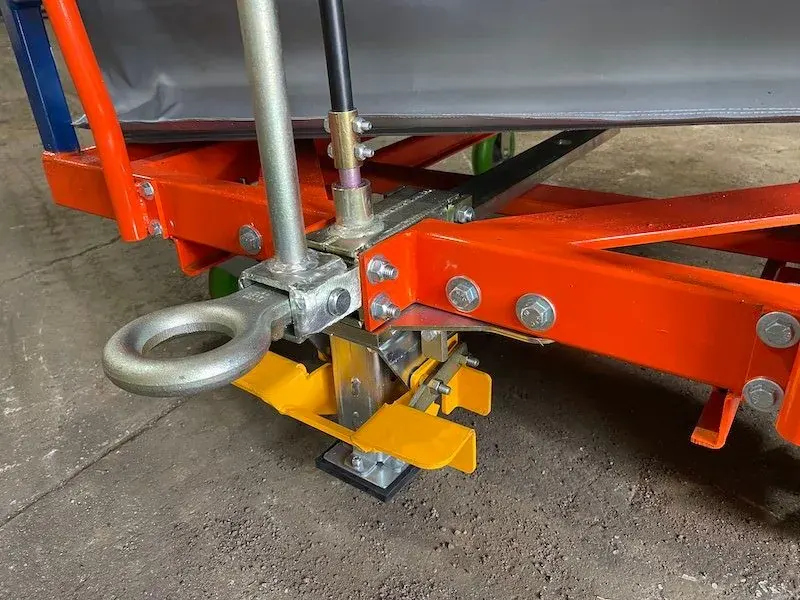
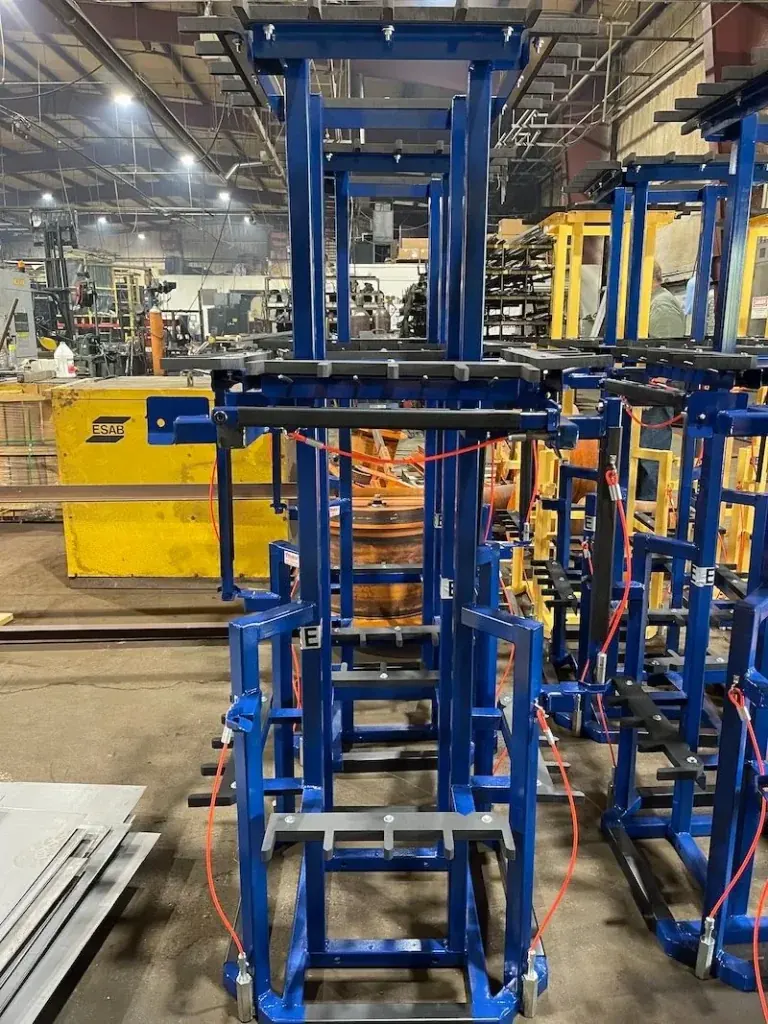
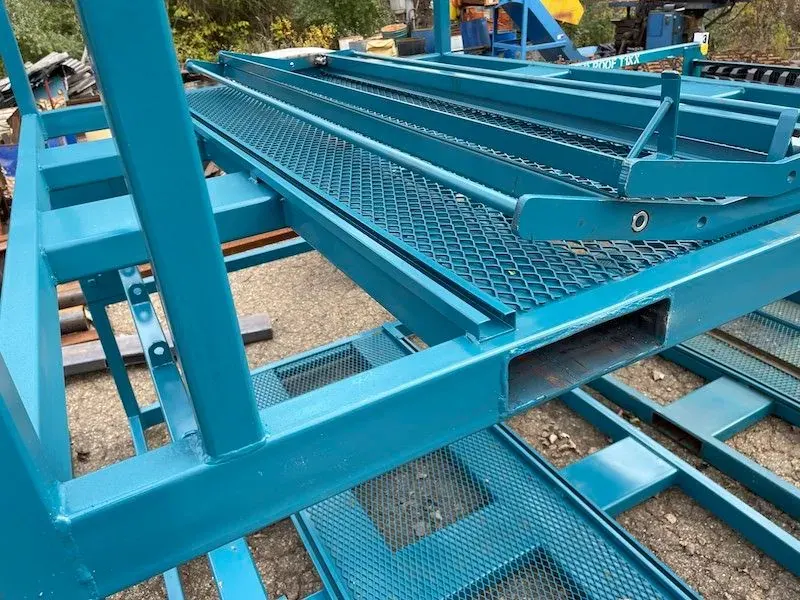
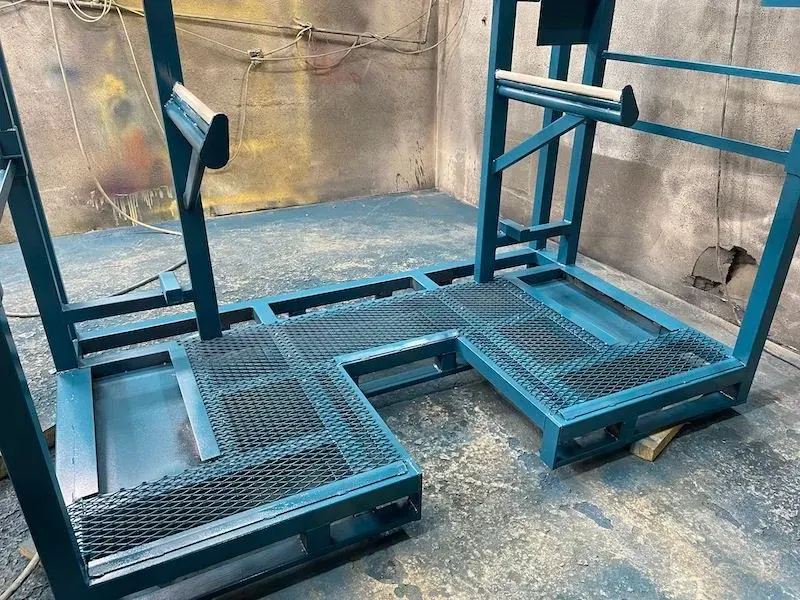
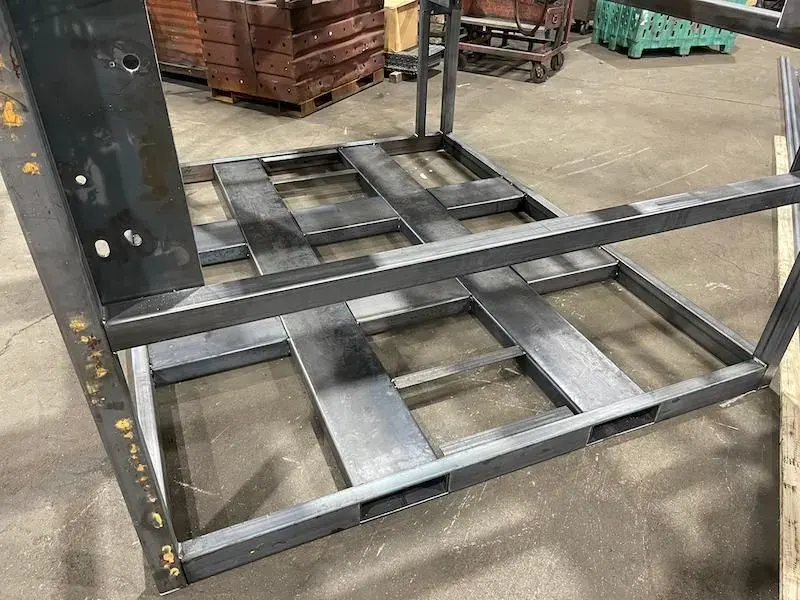
Welded steel rack frame during fabrication

Why One Shop for the Whole Job Matters

Fewer hand-offs

When design, fabrication, dunnage, and finishing stay connected, details like locator positions and contact surfaces don’t get lost between vendors.

Repairs informed by new builds

Knowing how racks are built makes it easier to see why they fail and how to repair or modify them so the problem doesn’t come back.

One point of contact

Purchasing and engineering teams can work through one conversation for a new program, a changeover, and the fleet repairs that follow.

Have a Part That Needs a Rack?

Send drawings, CAD models, or photos of the part and current packaging, and we’ll review the best way to support it.

“Business used to be built on a handshake, a man’s word, and the quality of his work. We still think it should be.”

Call Now